As an Amazon Associate I earn from qualifying purchases.
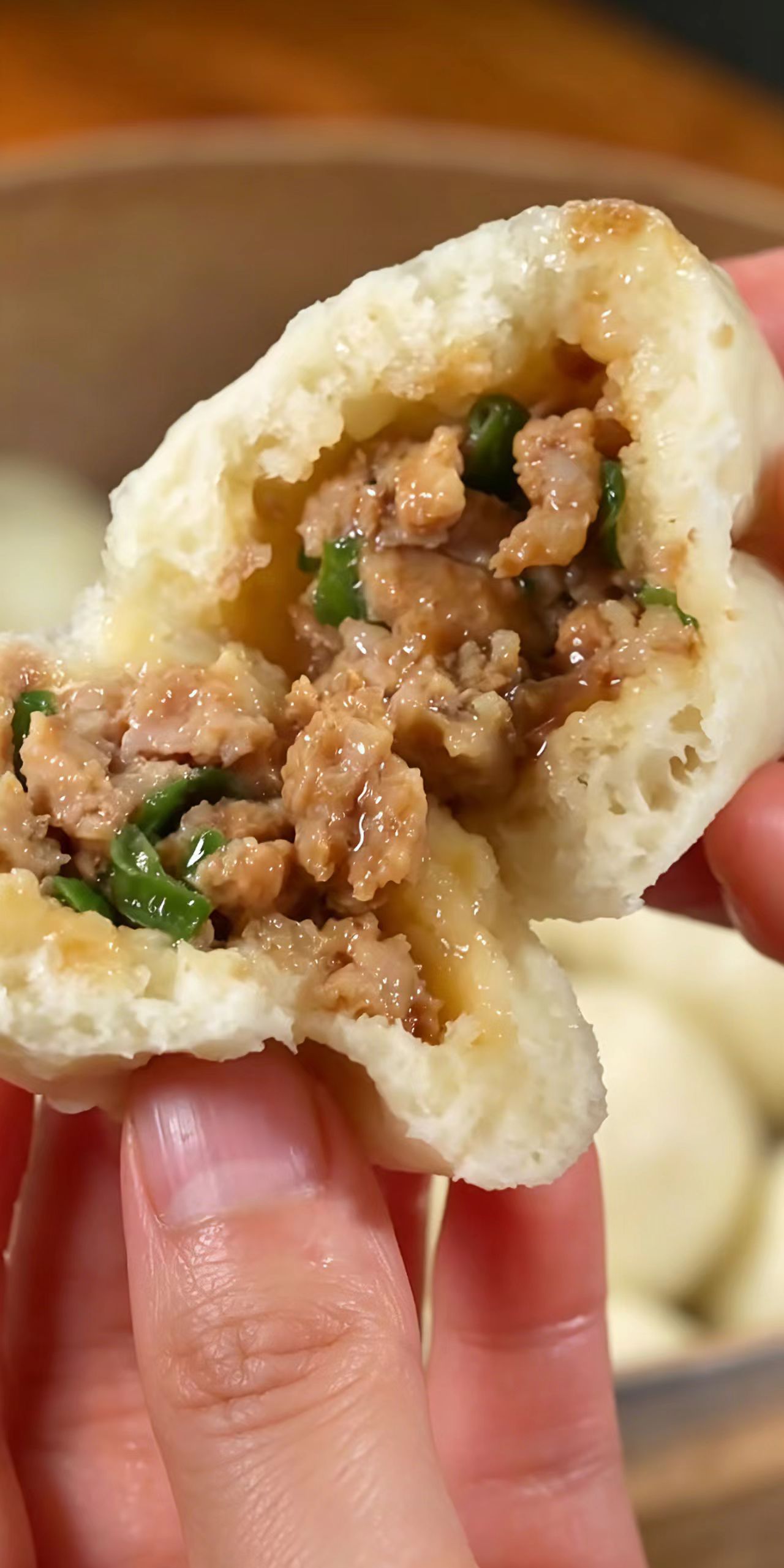
Soft, juicy Xiaolongbao (Chinese Soup Dumplings)
Ingredients
Method
- Pour boiling water over 50 g flour. Stir into a paste and let cool. Add yeast, sugar, and 450 g flour. Knead into a soft dough. Cover and rise until doubled, about 1.5 hours.

- Divide ground pork in half. Cook one half in oil until moisture evaporates. Add ginger, garlic, sweet bean sauce, soybean paste, soy sauces, pepper, sugar, and salt. Simmer until liquid evaporates. Mix with remaining raw pork. Refrigerate 30 minutes. Add scallions before wrapping.
- Punch down dough. Cut into small pieces. Press flat with your palm — no rolling pin needed. Add filling and pinch edges to seal.
- Place buns in steamer. Rest 20 minutes until surface springs back when pressed. Steam 15 minutes. Turn off heat and rest 5 minutes before opening the lid.
Pillowy soft buns with savory, saucy pork filling — no rolling pin required, and the dough stays tender even after cooling.
Prep time: 20 minutes
Cook time: 15 minutes
Rest time: 1 hour 50 minutes
Makes: 20–24 small buns
There are two things that stop most people from making baozi at home: shaping the pleats, and ending up with buns that turn rock-hard once they cool down.
This recipe solves both problems. You don’t need a rolling pin. You don’t need perfect pleats. And because we use a scalded dough (tang mian) with just a little yeast, the buns stay soft and fluffy even after they’ve cooled.
The filling is the real star here. I use a half-cooked, half-raw pork technique — one half is fried with savory sauces until deeply fragrant, and the other half stays raw to keep everything juicy and tender. The result is a bun that’s packed with rich, saucy flavor and stays delicious bite after bite.
Why This Recipe Works
Scalded dough = soft buns. Pouring boiling water over part of the flour gelatinizes the starches, which locks in moisture. That’s why these buns stay soft even when cold.
Half-cooked, half-raw filling. The cooked half gives you deep, caramelized sauce flavor. The raw half keeps the meat tender and juicy. Together, they create the perfect bite.
No rolling pin needed. Just press the dough flat with your palm. If you can pinch the edges together, you can make these.
Ingredients
For the Dough
- 50 g (⅓ cup + 1 tbsp) all-purpose flour — for the scalded dough
- 240 ml (1 cup) boiling water
- 3 g (1 tsp) instant yeast
- 10 g (2 ½ tsp) sugar
- 450 g (3 ¾ cups) all-purpose flour — for the main dough
For the Filling
- 1 kg (2.2 lb) ground pork — 20% fat, 80% lean
- Cooking oil, for frying
- Minced ginger and garlic, to taste
- 1 tbsp sweet bean sauce (tianmianjiang) — or Hoisin sauce
- 1 tbsp soybean paste — or yellow/white miso paste
- 1 tbsp light soy sauce
- 1 tsp dark soy sauce
- ¼ tsp white pepper
- 1 tsp sugar
- ½ tsp salt
- Splash of water
- Chopped scallions (added just before wrapping)
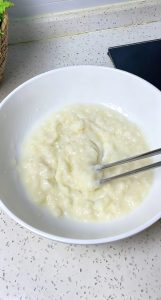
Step 1: Make the Scalded Dough
Bring 240 ml (1 cup) of water to a rolling boil.
Pour it directly over 50 g of flour in a heatproof bowl. Stir immediately with chopsticks or a spatula until it forms a sticky paste.
Let it cool completely.
Once cool, add 3 g yeast and 10 g sugar. Stir to combine.
Add 450 g flour and mix until a shaggy dough forms.
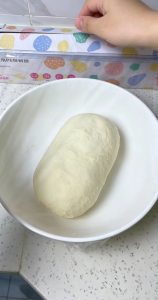
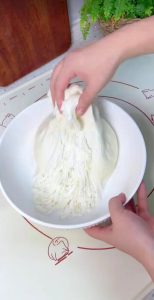
Knead until you have a soft, slightly sticky dough. This dough has a high water content — don’t worry if it feels wetter than usual.
Cover with plastic wrap and let it rise until doubled in size, about 1.5 hours.
Step 2: Make the Filling
Grind the pork until it has a coarse, slightly chunky texture — not a fine paste.
Divide the pork in half.
Cook the first half: Heat a generous amount of oil in a wok or pan. Add half the pork and fry until the moisture evaporates and the fat renders out.
Add minced ginger and garlic. Stir until fragrant.
Add sweet bean sauce, soybean paste, light soy sauce, dark soy sauce, white pepper, sugar, and salt.
Stir everything together. Add a splash of water and simmer until the liquid evaporates. The filling should be dark, glossy, and intensely fragrant.
Combine: Mix the cooked filling with the remaining raw pork. Stir until well combined.
Refrigerate the filling for at least 30 minutes — this firms it up and makes it much easier to wrap.
Just before wrapping, fold in the chopped scallions.
Step 3: Shape the Buns
Punch down the risen dough and knead it briefly on a floured surface.
Roll it into a log and cut it into small equal pieces.
Sprinkle flour over the pieces to prevent sticking. Roll each piece into a ball.
No rolling pin needed. Press each ball flat with your palm.
Place a spoonful of filling in the center.
Pinch the edges together to seal. Don’t worry about making perfect pleats — as long as the bun is sealed and won’t leak, you’re good. The pleats disappear during steaming anyway.
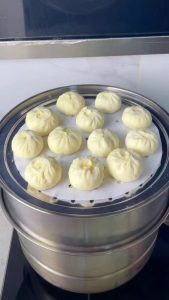
Step 4: Steam the Buns
Place the buns in a steamer lined with parchment paper or cabbage leaves. Leave space between them.
Cover and let them rest for 20 minutes. When you gently press the surface, it should spring back.
Turn on the heat and steam for 15 minutes.
Important: Turn off the heat and let the buns sit covered for 5 more minutes before opening the lid. This prevents the buns from deflating.
Ingredient Substitutions for Overseas Cooks
Some authentic Chinese ingredients can be hard to find outside of Asia. Here’s how to swap them without losing the flavor of your baozi.
- Sweet Bean Sauce (Tianmianjiang): Substitute with Hoisin sauce (widely available in Western supermarkets) or Japanese sweet miso.
- Soybean Paste (Huangdoujiang): Substitute with Yellow or white miso paste, or Korean doenjang.
- All-Purpose Flour: If you only have Bread flour, replace 2 tablespoons of each cup with cornstarch to lower the protein content. If using Cake flour, use 1 cup plus 1 extra tablespoon per cup of all-purpose flour.
- Ground Pork (20% fat, 80% lean): If you can only find lean ground pork, add 1 tablespoon of neutral oil and 2 tablespoons of water to the raw half of the meat to keep it juicy.
- Light Soy Sauce: Low-sodium soy sauce works perfectly.
- Dark Soy Sauce: If unavailable, mix regular soy sauce with a pinch of molasses or brown sugar (this is for color, not just taste).
- White Pepper: Black pepper can be used in a pinch, but the flavor will be slightly different.
- Fresh Ginger and Garlic: Ginger powder and garlic powder can substitute (use ¼ tsp powder for every 1 tsp fresh).
🛠️ A Note on Equipment & Ingredients (For Overseas Cooks)
Don’t let a missing tool or ingredient stop you from making these buns. Here are the essential tools we highly recommend, along with a few practical swaps for your Western kitchen:
-
Bamboo Steamer: A bamboo steamer (paid link) is the best tool for these buns. It absorbs moisture and gives them the perfect fluffy texture. (No steamer? You can use any pot with a lid and a metal steam rack lined with parchment paper.)
-
Meat Grinder / Food Processor: To get the perfect texture, a meat grinder or food processor (paid link) helps you mince your own pork. (If you don’t have one, ask your butcher to grind it for you, or buy pre-ground pork.)
-
Pork Fat Ratio: Supermarket ground pork is often too lean (like 90/10). To keep your baozi juicy, either ask your butcher for 80/20 ground pork, or add 1 tablespoon of neutral oil and 2 tablespoons of water to the meat mixture.
-
Sweet Bean Sauce (Tianmianjiang): This might be the hardest thing to find. Don’t panic. Hoisin sauce is a perfect substitute — it’s sweet, savory, and available in almost every grocery store. Yellow miso paste also works in a pinch.
-
Parchment Paper: A roll of parchment paper (paid link) is essential to line your steamer and prevent the buns from sticking.
The Result
These buns come out incredibly soft and pillowy. The filling is juicy, savory, and packed with sauce flavor.
And here’s the best part — even after they cool down, the bun stays soft. No hard, chewy texture. Just tender, fluffy bread with a rich, saucy center.
FAQ
Can I use store-bought dumpling wrappers instead?
You can, but the texture will be very different. This recipe uses a soft, yeasted dough that puffs up during steaming. Dumpling wrappers are thinner and won’t give you the same fluffy result.
Why is my dough so sticky?
This dough has a high water content — that’s intentional. It’s what makes the buns so soft. Just use extra flour on your hands and the work surface when shaping.
Can I make the filling ahead of time?
Absolutely. The cooked filling can be made a day ahead and kept in the fridge. Just add the scallions right before wrapping.
Can I freeze these buns?
Yes. Let them cool completely, then freeze in a single layer. Reheat by steaming for 8–10 minutes.
What if I can’t find sweet bean sauce or soybean paste?
Use Hoisin sauce in place of sweet bean sauce, and yellow or white miso paste in place of soybean paste. Both are widely available in Western supermarkets.
Final Thoughts
This is the kind of recipe that makes you feel like a pro — but it’s genuinely easy.
No rolling pin. No fancy pleating. Just a soft, forgiving dough and a filling that delivers serious flavor.
Give it a try, and let me know how it turns out. If you make these, tag me on Instagram — I’d love to see your buns!
Craving more savory Chinese snacks? Explore my recipe for Easy Chinese Tea Eggs or the viral Creamy Malatang
As an Amazon Associate I earn from qualifying purchases.

Pingback: Authentic Jianbing Recipe: 15-Minute Chinese Crepe Hack