As an Amazon Associate I earn from qualifying purchases.
## Biang Biang Noodles: Hand-Pulled San He Yi at Home
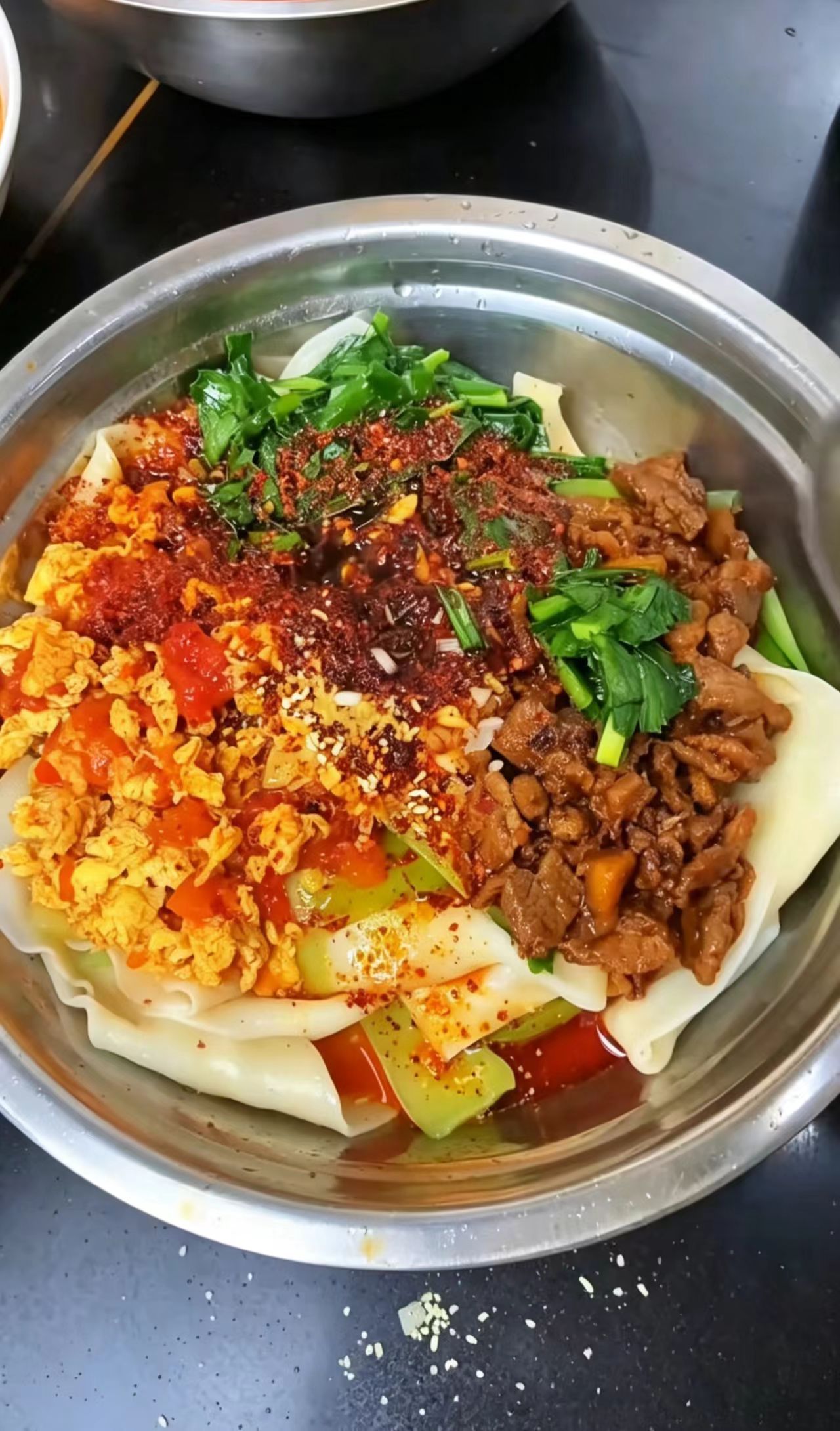
Biang Biang San He Yi Noodles (Three-in-One Hand-Pulled Noodles)
Ingredients
Equipment
Method
- Make Dough: Mix flour and salt. Add cold water in 3-4 additions, stirring with chopsticks. Knead into a dough. Cover and rest for 30 minutes, kneading twice in between until smooth.
- Roll & Rest: Roll dough into a log. Divide into 8-10 pieces. Roll each into a uniform strip. Grease a baking sheet, lay strips in, brushing oil between layers. Cover with plastic wrap and rest for at least 40 minutes.
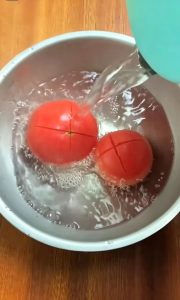
- Tomato & Egg: Scramble eggs and set aside. Cook tomatoes until soft. Add salt and sugar. Return eggs and mix well.Tip: Blanching the tomatoes in hot water and peeling the skin is the secret to a sweeter, richer stir-fry.

- Pork Sauce: Cook ground meat until crumbly. Add aromatics and stir-fry. Add soy sauce, dark soy sauce, wine, hoisin, and sugar. Stir-fry until glossy.
- Chives: Cut chives into sections. Briefly stir-fry or keep raw.
- Pull Noodles: Boil water. Flatten a dough strip, roll it thin on edges and thick in the middle. Hold both ends, gently pull apart while bouncing, and slap on the counter. If it shrinks, rest for 10 minutes.
- Cook Noodles: Drop noodles into boiling water (2-3 at a time). Stir to prevent sticking. Cook until water boils twice. Transfer to a bowl.
- Assemble & Pour Oil: Top noodles with toppings, garlic, ginger, scallions, and chili powder. Heat oil to 375°F-400°F. Pour over chili in two batches. Add bouillon, soy sauce, and vinegar. Mix and serve.
Notes
Want a Simpler Version? Try "You Po" (Hot Oil) Style!
If making all three toppings (San He Yi) feels too time-consuming, you can skip them entirely and make the classic "You Po Mian" (Hot Oil Noodles). Simply top the boiled noodles with minced garlic, scallions, and a generous amount of chili powder. Heat some oil until it just starts to smoke, and pour it directly over the aromatics. The sizzling sound and the aroma are incredible! Sometimes, the simplest way is the most delicious.If you love wide noodles and the aroma of chili oil, you have to try Biang Biang noodles. Also known as “belt noodles,” they are wide, thick, and incredibly chewy. The most famous moment? The loud “smack” sound they make when slapped against the counter while being pulled.
Many people think this is only available in Shaanxi noodle shops. But you can actually make it at home. No bamboo steamer, no electric griddle, and no professional noodle board required.
Today, I’m making it “San He Yi” (Three-in-One): Tomato & Egg, Pork Sauce (Rou Sao Zi), and Chive Chili Oil. One bite, and you get sour, savory, spicy, and meaty flavors all at once.
## Why This Recipe Works
– **No Special Equipment Needed:** You can use a wine bottle, a silicone mat, and a regular soup pot.
– **Beginner-Friendly:** The dough relies on resting time, not kneading skills.
– **US Measurements Included:** Perfect for American kitchens.
## Ingredients
**For the Dough:**
– 4 1/4 cups all-purpose flour
– 3/4 tsp salt
– 1 cup + 1 tbsp cold water
– 1/4 cup neutral oil (for brushing)
**For the Three-in-One Toppings:**
– 2 large eggs
– 2 medium tomatoes (about 12 oz)
– 8 oz ground pork or beef
– 1 bunch Chinese chives or garlic chives
– Garlic, ginger, and scallions
– Soy sauce, dark soy sauce, vinegar, hoisin sauce, chili powder
*(A full shopping list is at the bottom)*
## Step 1: Make the Dough
In a large bowl, mix the flour and salt. Add the cold water in 3 to 4 additions. Stir with chopsticks after each addition until it forms flakes. Knead into a dough. It’s okay if it’s not smooth at first. Cover and rest for 30 minutes. Knead twice in between. By the final knead, it should be smooth.
*Pro Tip: Measuring flour by cup in the US can result in too much flour. Use a kitchen scale if you have one. If not, use 4 1/4 cups but do not pack the flour.*
## Step 2: Roll, Oil, and Rest
Roll the dough into a long log. Divide into 8 to 10 pieces. Grease your work surface. Roll each piece into a uniform strip. Grease a baking sheet or plate. Lay the strips in, brushing oil over each layer. Cover with plastic wrap and rest for at least 40 minutes. This step is crucial. The longer it rests, the easier it stretches.
## Step 3: Prepare the Three Toppings
While the dough rests, cook the toppings.
**Tomato & Egg:** Beat the eggs and scramble them. Set aside. Cut tomatoes into chunks and cook until soft. Add a pinch of salt and sugar. Return the eggs and stir well.
**Pork Sauce (Rou Sao Zi):** Heat oil in a pan, add the ground meat and cook until crumbly. Add minced ginger, garlic, and scallions. Add soy sauce, dark soy sauce, a splash of Shaoxing wine, hoisin sauce, and sugar. Stir-fry until glossy.
**Chives:** Cut the chives into sections. You can stir-fry them briefly or keep them raw for the final assembly.
## Step 4: Pull the Noodles
Bring a large pot of water to a boil. Take the rested dough. Flatten a strip with your hand, then roll it into a piece that’s thin on the edges and thick in the middle. Hold both ends and gently pull it apart, bouncing it up and down. Slap it lightly on the counter. The “smack” sound means you’re doing it right.
*If the dough shrinks back, don’t force it. Let it rest for another 10 minutes.*
## Step 5: Cook the Noodles
Drop the pulled noodles into the boiling water. Don’t cook too many at once. Gently stir with chopsticks to prevent sticking. Once the water boils twice, the noodles are usually done. Transfer to a large bowl.
How to Make the Tomato Egg Topping (Tomato Egg Sauce)
One of the three signature toppings for this dish is the savory tomato and egg sauce. If you want the perfect balance of juicy tomatoes and silky eggs (without a watery mess), I have a dedicated step-by-step guide for it: Juicy Chinese Tomato Egg Stir Fry Recipe. It’s the ultimate comfort food and a must-try!
## Step 6: Assemble and Pour Hot Oil
Top the noodles with tomato & egg, pork sauce, and chives. Add minced garlic, ginger, and scallions. Sprinkle chili powder on top.
Heat 3 to 4 tbsp of oil in a small pan until it reaches 375°F to 400°F. When it just starts to smoke, pour it over the chili and aromatics in two batches. You’ll hear a loud “sizzle” and smell an incredible aroma.
Finally, add 1/2 tsp chicken bouillon, 1 tbsp soy sauce, and 1 tbsp Chinkiang vinegar. Mix and enjoy!
🛒 Shopping List
- Produce: 2 medium tomatoes (12 oz), 1 head garlic, 1 piece ginger, 1 bunch scallions, 1 bunch chives or garlic chives (or substitute with scallions), cilantro (optional)
- Meat & Eggs: 8 oz ground pork or beef, 2 large eggs
- Pantry: 4 1/4 cups all-purpose flour, salt, neutral oil (canola, vegetable, or grapeseed), 2 tbsp soy sauce, 1 tsp dark soy sauce (optional), 1 tbsp Chinkiang vinegar, 1 tbsp Shaoxing wine, 1 tbsp hoisin sauce, 1/2 tsp sugar, 1/2 tsp chicken bouillon, 2 tbsp chili powder or Korean coarse chili flakes, white sesame seeds (optional), sesame oil (optional)
🔄 Substitutions
- Shaoxing Wine: Substitute with dry sherry or dry white wine.
- Chinkiang Vinegar: Mix Italian balsamic vinegar and rice vinegar 1:1.
- Hoisin Sauce: Substitute with sweet bean sauce (Tianmianjiang).
- Chili Powder: Use Korean coarse chili flakes, crushed red pepper, or a mix of chili powder and paprika.
- Chinese Chives: Use garlic chives, scallions, or the green parts of leeks.
- Ground Meat: Use ground pork, beef, chicken, or plant-based meat.
- Hand-Pulled Noodles: If you don’t want to make dough, use Italian pappardelle as an emergency substitute (texture will differ).
🔧Recommended Tools & Tips
-
Cast iron wok: A heavy cast iron wok (paid link) is ideal for stir-frying the meat and sauce.
-
Rolling pin: A sturdy rolling pin (paid link) makes rolling the dough much easier. (No rolling pin? A wine bottle works in a pinch.)
-
No Kitchen Scale: Use US measuring cups, but do not pack the flour.
-
Don’t over-crowd: When cooking the noodles in the wok, do it in batches so they stay chewy and don’t stick together.
😅 Common Struggles (And How to Fix Them)
- “My dough is too hard or too soft.” → Measuring cups are inaccurate. Reserve 2 tbsp of water and add gradually. The dough should be soft but not sticky.
- “The dough breaks when I pull it.” → Not rested enough, or it’s too cold. Rest for at least 40 minutes. Bring to room temperature for 20 minutes before pulling. Add oil, don’t force it.
- “The noodles stick to the board.” → Not enough oil. Brush oil on the board, the dough, and your hands. A silicone mat works best.
- “They turn into a clump when boiling.” → Small pot, little water, or too many noodles at once. Use a large pot with plenty of water, cook 2-3 noodles at a time, and stir immediately.
- “The hot oil doesn’t smell fragrant.” → Oil temperature is not high enough. Heat until it just smokes, around 375°F to 400°F. Pour in two batches.
- “It’s too salty.” → Soy sauce, bouillon, and hoisin are all salty. Start with less, taste, and adjust.
“Are you a fan of Shaanxi food? If so, you can’t miss my other two iconic recipes: Easy Liangpi (Cold Skin Noodles) and Easy Roujiamo (Chinese Meat Sandwich).”
Frequently Asked Questions (FAQ)
Can I make this without a stand mixer?
Yes, hand kneading is perfectly fine. Resting the dough is far more important than the kneading technique.
Why do my noodles break when I pull them?
The dough hasn’t rested enough. Rest for at least 40 minutes after oiling, and let it come to room temperature for 20 minutes before pulling. Never force a dough that shrinks back—just let it rest for another 10 minutes.
I can’t find Chinkiang vinegar. What can I use?
Mix Italian balsamic vinegar and rice vinegar in a 1:1 ratio. It provides a similar depth and acidity.
Can I use Italian pappardelle instead of making dough?
You can use pappardelle in a pinch, but the texture will be entirely different. Making the dough from scratch is strongly recommended for the authentic Biang Biang experience.
Can I make this less spicy?
Absolutely. Start with 1 tablespoon of chili powder instead of 2, taste the oil after pouring, and adjust from there.
As an Amazon Associate I earn from qualifying purchases.


Pingback: Easy Roujiamo Recipe: Chinese Meat Sandwich at Home